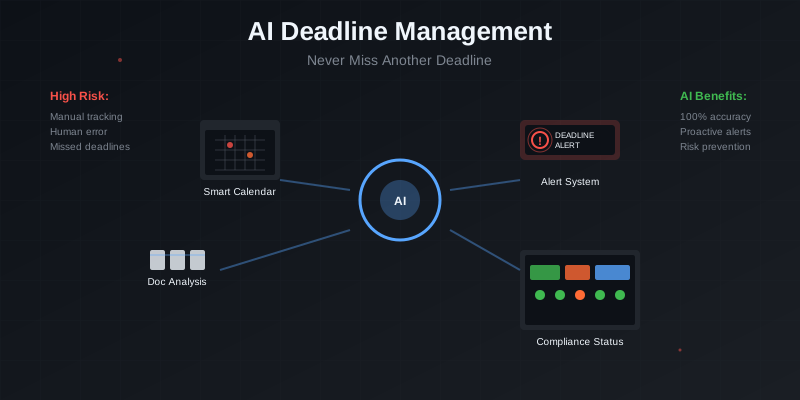
Missed deadlines and compliance errors represent some of the most devastating risks facing modern law firms. A single missed statute of limitations can result in malpractice claims worth millions of dollars, while regulatory violations can lead to sanctions, suspensions, and irreparable reputation damage. AI-powered deadline tracking and compliance monitoring systems provide the precision, reliability, and comprehensive oversight that manual processes simply cannot match.
The Critical Nature of Legal Deadlines
The legal profession operates within a complex web of deadlines, each carrying specific consequences for non-compliance. Unlike other industries where missed deadlines might cause inconvenience or delays, legal deadline failures can result in catastrophic outcomes for both firms and clients.
Types of Critical Legal Deadlines
Legal deadlines encompass a vast range of time-sensitive requirements:
Statutes of Limitations
- Personal injury claims: typically 1-3 years depending on jurisdiction
- Contract disputes: generally 3-6 years from breach occurrence
- Medical malpractice: often 2-3 years with discovery rules
- Product liability: varies widely by state and product type
- Employment law claims: frequently 180-300 days for federal claims
Court-Imposed Deadlines
- Response deadlines for motions and pleadings
- Discovery cutoff dates and production schedules
- Expert witness disclosure requirements
- Trial preparation and exhibit deadlines
- Appeal filing windows and brief submission dates
Regulatory Compliance Deadlines
- SEC filing requirements for public companies
- Tax return preparation and submission deadlines
- Environmental reporting obligations
- Immigration petition and renewal deadlines
- Corporate governance and meeting requirements
The True Cost of Deadline Failures
The consequences of missed deadlines extend far beyond simple inconvenience:
Financial Impact
- Malpractice Claims: Average legal malpractice settlements range from $50,000 to $500,000
- Insurance Premiums: Malpractice incidents can increase premiums by 25-100%
- Lost Revenue: Client termination and referral losses following deadline failures
- Sanctions and Penalties: Court-imposed monetary sanctions for procedural violations
Professional Consequences
- Bar Discipline: Potential suspension or disbarment for pattern of negligence
- Reputation Damage: Public disclosure of malpractice claims and sanctions
- Client Relationships: Irreparable damage to attorney-client trust
- Referral Networks: Loss of professional referrals and partnerships
Traditional Deadline Management Failures
Despite the critical importance of deadline compliance, most law firms rely on antiquated systems that are inherently unreliable and prone to human error.
Calendar-Based Systems
Traditional calendar systems, whether paper-based or digital, suffer from fundamental limitations:
Single Point of Failure
- Reliance on individual attorney or staff member to enter deadlines
- No systematic verification of calendar entries
- Vulnerability to transcription errors and missed entries
- Lack of backup systems when key personnel are unavailable
Limited Context and Intelligence
- Cannot automatically calculate related deadlines
- No understanding of deadline dependencies and priorities
- Inability to account for court holidays and jurisdictional variations
- No integration with case management or document systems
Manual Tracking Inadequacies
Manual deadline tracking processes create numerous opportunities for error:
- Data Entry Errors: Incorrect dates, times, or deadline types
- Calculation Mistakes: Wrong computation of response periods or appeal deadlines
- Communication Failures: Missed handoffs between attorneys and staff
- System Fragmentation: Deadlines scattered across multiple calendars and systems
AI-Powered Deadline Management Revolution
Artificial intelligence transforms deadline management from a reactive, error-prone process into a proactive, intelligent system that provides comprehensive oversight and protection.
Intelligent Deadline Recognition
AI systems automatically identify and extract deadlines from multiple sources:
Document Analysis
- Automatic scanning of court orders and notices for deadline information
- Extraction of statutory deadlines from complaint and answer filings
- Identification of contractual deadlines in agreement documents
- Recognition of regulatory deadlines in compliance communications
Email and Communication Monitoring
- Scanning of email communications for deadline-related information
- Automatic detection of scheduling and deadline changes
- Integration with calendar systems for seamless deadline entry
- Real-time updates based on new information received
Comprehensive Deadline Calculation
AI systems provide sophisticated deadline calculation capabilities that account for complex legal requirements:
Jurisdiction-Specific Rules
- Automatic application of federal, state, and local court rules
- Consideration of specific jurisdictional holidays and closures
- Understanding of unique procedural requirements by court
- Real-time updates when rules or procedures change
Complex Deadline Interdependencies
- Calculation of related deadlines triggered by initial filings
- Understanding of deadline extensions and their cascade effects
- Automatic adjustment of dependent deadlines when primary dates change
- Comprehensive timeline management for complex litigation matters
Advanced AI Compliance Features
Predictive Risk Assessment
AI systems analyze patterns and data to predict compliance risks before they occur:
Workload Analysis
- Assessment of attorney capacity relative to upcoming deadlines
- Identification of potential conflicts and scheduling issues
- Prediction of resource needs for complex deadline clusters
- Automatic alerts when workload exceeds safe capacity levels
Historical Pattern Recognition
- Analysis of past deadline performance to identify risk factors
- Recognition of case types or situations with higher failure rates
- Identification of problematic time periods or circumstances
- Customized warning systems based on historical data
Multi-Layer Alert Systems
AI-powered systems provide sophisticated alert mechanisms that ensure critical deadlines are never missed:
Escalating Notification Sequences
- Initial alerts at case opening for long-term deadlines
- Progressive reminders as deadlines approach
- Urgent notifications for immediate action items
- Escalation to supervisors when deadlines remain unaddressed
Multi-Channel Communication
- Email notifications with detailed deadline information
- Text message alerts for urgent or immediate deadlines
- Calendar integration with automatic appointment blocking
- Dashboard displays showing deadline status and priorities
Integration with Legal Workflow Systems
Case Management Integration
AI deadline systems seamlessly integrate with existing case management platforms:
Automatic Data Synchronization
- Real-time synchronization with case management databases
- Automatic deadline entry from new case openings
- Integration with client contact and billing systems
- Seamless workflow integration for deadline-driven tasks
Document Management Connectivity
- Automatic linking of deadlines to relevant documents
- Integration with document generation for deadline-driven filings
- Version control and audit trails for deadline-related documents
- Automated preparation of deadline compliance reports
Court System Integration
Advanced AI systems connect directly with court systems for real-time deadline updates:
Electronic Filing Integration
- Automatic receipt of court orders and scheduling changes
- Real-time updates when court deadlines are modified
- Integration with e-filing systems for deadline compliance
- Automatic confirmation of successful filing completion
Court Calendar Synchronization
- Real-time access to court calendar information
- Automatic adjustment for court holidays and closures
- Integration with local court rules and procedures
- Notification of schedule changes and conflicts
Compliance Monitoring and Reporting
Automated Compliance Tracking
AI systems provide comprehensive tracking and reporting of compliance activities:
Real-Time Compliance Status
- Dashboard displays showing current compliance status
- Automatic tracking of completed and pending requirements
- Risk assessment scores for potential compliance failures
- Comprehensive reporting for management oversight
Audit Trail Generation
- Complete documentation of all deadline-related activities
- Automatic generation of compliance reports for clients
- Comprehensive audit trails for malpractice defense
- Integration with professional liability insurance requirements
Performance Analytics
AI systems analyze deadline performance to identify improvement opportunities:
Statistical Analysis
- Comprehensive analysis of deadline compliance rates
- Identification of patterns in deadline failures
- Benchmarking against industry standards
- Predictive modeling for future compliance risks
Process Optimization
- Identification of workflow inefficiencies
- Recommendations for process improvements
- Automated optimization of deadline management procedures
- Continuous learning and system refinement
Practice Area-Specific Applications
Litigation Practice
AI deadline management provides particular value in litigation practice:
Discovery Management
- Automatic tracking of discovery deadlines and extensions
- Coordination of multiple discovery streams and deadlines
- Integration with document review and production systems
- Automated generation of meet-and-confer correspondence
Trial Preparation
- Comprehensive trial deadline management and coordination
- Automatic tracking of expert witness and exhibit deadlines
- Integration with trial presentation and evidence systems
- Coordination of complex multi-party trial schedules
Corporate Law
Corporate practitioners benefit from specialized deadline management features:
Regulatory Compliance
- Automatic tracking of SEC filing deadlines and requirements
- Comprehensive management of corporate governance deadlines
- Integration with regulatory reporting systems
- Automated generation of compliance calendars and reports
Transaction Management
- Coordination of complex transaction deadlines and milestones
- Integration with due diligence and closing systems
- Automated tracking of regulatory approval timelines
- Comprehensive transaction timeline management
Implementation Best Practices
System Selection Criteria
When selecting an AI deadline management system, firms should consider:
Technical Capabilities
- Accuracy of deadline recognition and calculation
- Integration capabilities with existing systems
- Scalability to handle firm growth and complexity
- Security and confidentiality protection measures
User Experience
- Intuitive interface design and ease of use
- Customization options for different practice areas
- Mobile accessibility for remote work
- Comprehensive training and support resources
Implementation Strategy
Successful implementation requires careful planning and execution:
Phased Rollout
- Phase 1: Pilot with single practice group or case type
- Phase 2: Expand to additional practice areas
- Phase 3: Full firm deployment with advanced features
- Phase 4: Integration with additional systems and optimization
Change Management
- Comprehensive training for all users
- Clear policies and procedures for system use
- Regular monitoring and performance assessment
- Continuous improvement and system optimization
Measuring Success and ROI
Key Performance Indicators
Firms should track specific metrics to measure AI system effectiveness:
Compliance Metrics
- Deadline compliance rate (target: 99%+ for critical deadlines)
- Reduction in deadline-related errors and omissions
- Decrease in malpractice claims and insurance incidents
- Improvement in client satisfaction scores
Efficiency Metrics
- Time savings in deadline management activities
- Reduction in administrative overhead costs
- Improvement in attorney productivity and billable hours
- Enhanced ability to handle complex cases and deadlines
Return on Investment
AI deadline management systems typically provide strong ROI through:
Cost Savings
- Reduction in malpractice insurance premiums
- Elimination of deadline-related penalties and sanctions
- Decreased administrative costs and overhead
- Reduced need for manual deadline tracking resources
Revenue Enhancement
- Increased attorney productivity and billable hour capacity
- Enhanced reputation and client referral opportunities
- Ability to handle more complex and profitable matters
- Competitive advantage in attracting quality clients
Future Developments in AI Deadline Management
Emerging Technologies
Next-generation AI deadline management systems will incorporate:
Natural Language Processing
- Voice-activated deadline entry and management
- Conversational interfaces for complex deadline queries
- Automatic transcription of deadline-related conversations
- Real-time language translation for multi-jurisdictional matters
Predictive Analytics
- Advanced prediction of case outcome timelines
- Automated resource allocation for deadline management
- Predictive modeling of court schedule changes
- Intelligent workload balancing and optimization
Industry Integration
Future systems will provide seamless integration across the legal industry:
Court System Integration
- Direct integration with court management systems nationwide
- Real-time access to judge calendars and preferences
- Automated filing and deadline compliance verification
- Integration with alternative dispute resolution systems
Legal Ecosystem Connectivity
- Integration with opposing counsel deadline systems
- Coordination with expert witness scheduling systems
- Connection to regulatory agency databases
- Comprehensive legal industry deadline coordination
Conclusion: The Imperative for AI Deadline Management
In an environment where a single missed deadline can destroy a law firm's reputation and financial stability, AI-powered deadline management is not a luxury—it's a necessity. The traditional approach of relying on manual calendars and human memory is not just inefficient; it's professionally irresponsible in an age where superior technology is readily available.
AI deadline management systems provide the comprehensive oversight, intelligent automation, and predictive capabilities that modern legal practice demands. They eliminate the human error factor that has plagued deadline management for decades while providing unprecedented visibility into compliance risks and obligations.
Law firms that embrace AI deadline management will enjoy significant competitive advantages: reduced malpractice risk, improved client service, enhanced productivity, and the peace of mind that comes from knowing critical deadlines are being managed with precision and reliability.
The cost of implementing these systems is minimal compared to the potential cost of a single deadline failure. The question is not whether firms can afford to invest in AI deadline management—it's whether they can afford not to.